
Sheet Metal Fabrication for Prototype Enclosures and Components
Develop sheet metal parts around their real assembly and manufacturing requirements. Sheet metal parts using laser cutting, bending, stamping and deep drawing are produced with qualified partner factories; KM Rapid handles DFM review, project management, quality inspection and delivery. Typical applications include panels, brackets and enclosures, where flat features and formed shapes work together. Send a model or drawing with material, quantity and mating details. The review should establish how the part is cut, formed and checked before you commit to the manufacturing route.
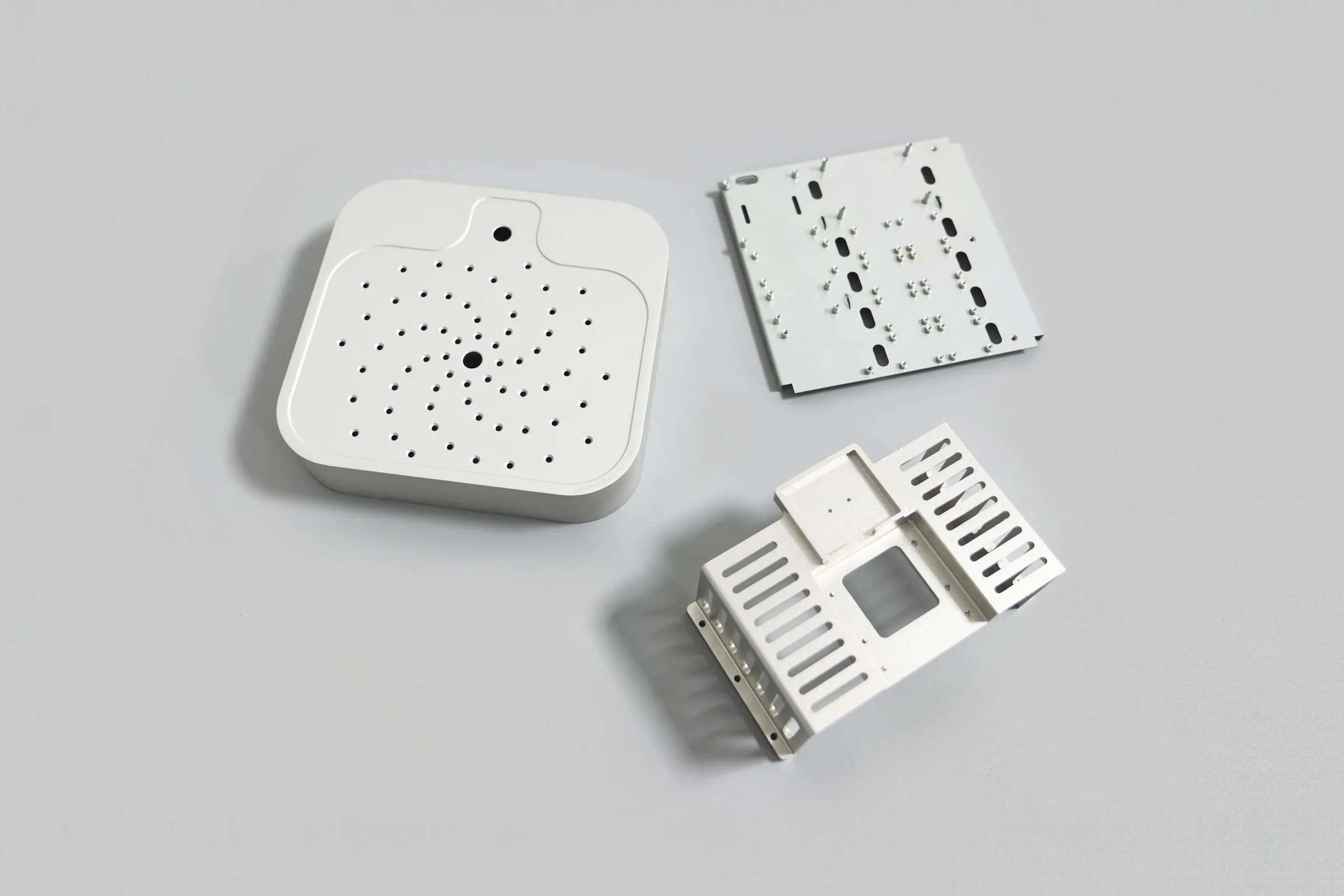
Capabilities
| Item | Capability |
|---|---|
| Cutting | Laser cutting |
| Forming | Bending, stamping and deep drawing |
| Materials | SPCC, aluminium 6061/5052, copper and SS316 |
| Design inputs | Formed model, drawing and flat pattern when available |
| Dimensions and schedule | Reviewed against the drawing and project requirements |
Material thickness, achievable tolerances and lead time are assessed for the specific design. Include these requirements in the enquiry so the team can identify the appropriate process. No general thickness or delivery promise is implied by the material list.
Materials
Steel and stainless steel
We work with SPCC and SS316. Select the material according to the intended environment, appearance and forming requirements. Specify the required condition and finish rather than relying on a broad description such as steel.
Aluminium and copper
Aluminium 6061 and 5052, together with copper, are available for project review. Formability, thickness and the proposed bend geometry matter as much as the material name. Identify any electrical, thermal or weight-related requirement without assuming the sheet grade alone resolves it.
How the Process Works
Review the assembly
Provide the formed model and drawing. Mark interfaces, clearance holes, visible faces and the dimensions that control fit.
Plan the flat shape
Review the cut profile, bend locations and forming approach. Confirm how material and process choices affect the finished geometry.
Cut and form
Laser cutting produces sheet profiles. Bending, stamping or deep drawing creates the agreed shape according to project needs.
Finish and check
Agree edge treatment and surface finishing. Check the features that matter to the enclosure, bracket or mating assembly.
Prepare the parts
Define identification, protective packing and delivery requirements. Supply assembly information when parts must fit into a larger product.
Design Guidelines
Keep holes and cut-outs clear of bend regions where possible, and account for tool access when arranging closely spaced flanges. Consider how adjoining panels locate and fasten together. Identify cosmetic faces before finishing, and distinguish outer envelope dimensions from bend references. A flat drawing alone may not fully communicate a complex formed component.
Finishing Considerations
Painting, plating, anodizing or polishing may be considered where compatible with the selected material. Discuss exposed edges, contact areas and surfaces that must remain uncoated. Appearance samples can help define an intended finish, but final suitability should be assessed for the actual substrate and application.
Compare Your Process Options
| Option | When to consider it | What to review |
|---|---|---|
| Sheet metal fabrication | Choose for parts based on sheet profiles, bends and formed surfaces, such as panels and enclosures. | Bend geometry, thickness and forming access influence the design. |
| CNC machining | Consider for solid parts with pockets, substantial local thickness or machined interfaces. | Material removal and tool access create a different design approach. |
| 3D printing | Consider for early shape or assembly studies before committing to a formed metal design. | A printed model does not reproduce sheet material or forming behaviour. |
Explore CNC machining, 3D printing and compatible surface finishing.
Frequently Asked Questions
Can’t find your answer? Talk to our engineers.
-
What files should I send for a sheet metal quote?
Send the formed CAD model and a drawing showing material, thickness, critical dimensions and quantity. A flat pattern is useful when available. Identify cosmetic faces and explain how the component fits the surrounding assembly.
-
Which sheet metal materials do you offer?
Sheet metal parts in SPCC, aluminium 6061/5052, copper and SS316 are produced with qualified partner factories; KM Rapid handles DFM review, project management, quality inspection and delivery. Specify the exact grade, thickness and finish needed. Suitability for the proposed cutting and forming operations is reviewed with the drawing.
-
Can I use a printed prototype to validate a sheet metal part?
A printed model can help examine shape, access and assembly layout. It does not reproduce the strength, bend behaviour or surface characteristics of the sheet material. Plan the validation method around the question you need to answer.
Ready to Start Your Project?
Send your 3D CAD file, quantity and material. Our engineers will reply with a quote and DFM feedback.