
Surface Finishing for Prototypes and Manufactured Parts
Define how a part should look and feel as part of the manufacturing plan. KM Rapid offers painting, silk-screen printing, plating, anodizing, polishing and soft-touch coating. These processes serve different purposes, from color and graphics to surface treatment and tactile presentation. Send the base material, part drawing and finish reference with your enquiry. The suitable route depends on the substrate, existing surface, functional features and intended use.
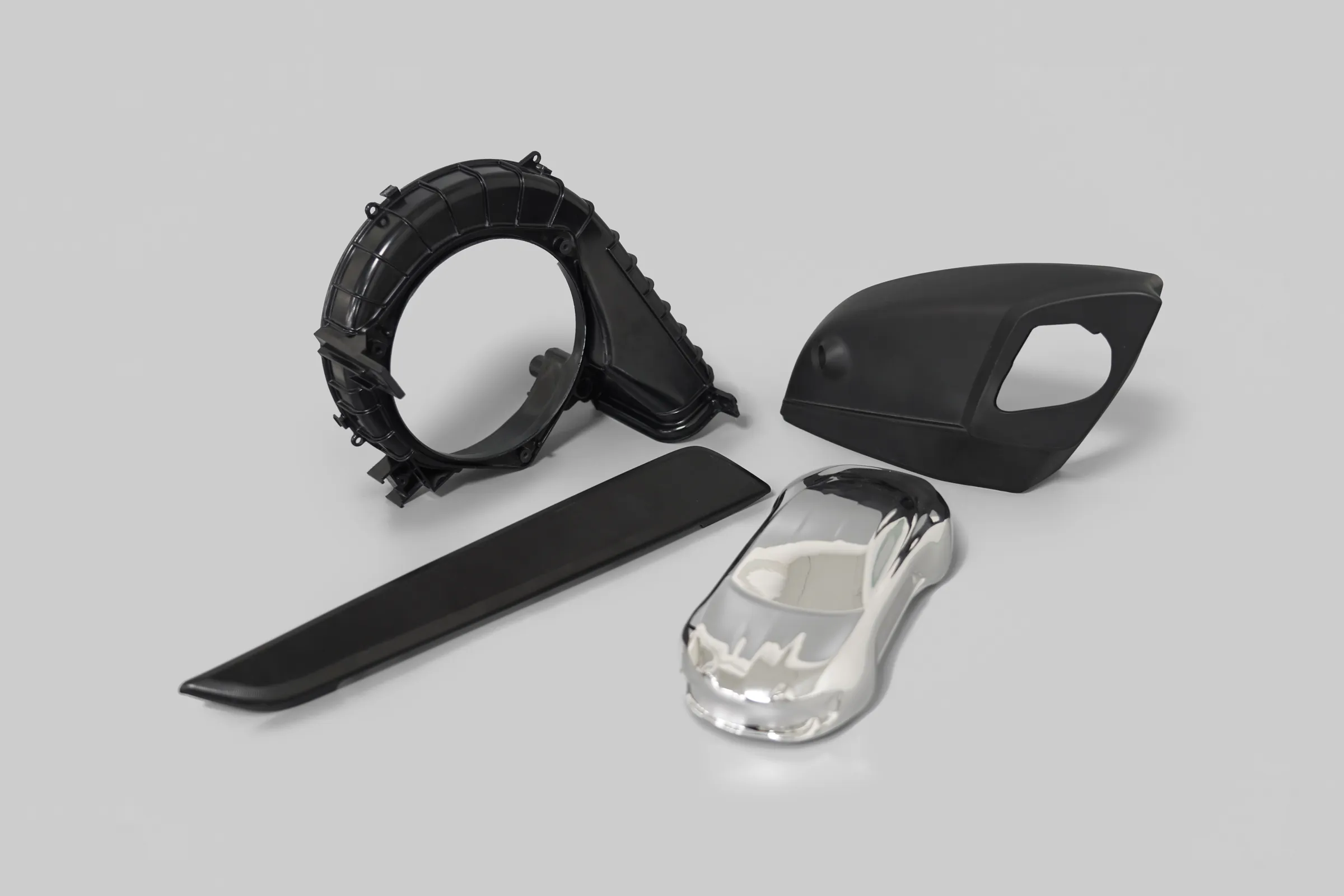
Capabilities
| Item | Capability |
|---|---|
| Color and graphics | Painting and silk-screen printing |
| Metal surface treatments | Plating and anodizing, subject to substrate review |
| Surface preparation and appearance | Polishing |
| Tactile finish | Soft-touch coating |
| Specification review | Material, visible faces, masking and acceptance references |
Finish compatibility and the final specification are reviewed for each project. Coating thickness, gloss, durability and delivery are not assigned general numerical values here. Include any required test method or acceptance standard in the enquiry for assessment.
Materials
Metal substrates
Metal type, condition and the initial machined or formed surface influence the treatment. Anodizing is associated with suitable metals such as aluminium; it is not a universal finish for every substrate. Discuss material compatibility before selecting plating or anodizing.
Plastic and resin substrates
Painting, silk-screen printing and soft-touch coating may be considered for compatible plastic or resin parts. Surface preparation and adhesion need review. A finish that works on an injection molded plastic cannot automatically be assumed suitable for a printed or cast resin.
How the Process Works
Define the appearance
Share a color or finish reference, intended use and the areas customers will see or touch. Identify any functional requirements.
Review the base part
Confirm material, manufacturing process and starting surface. Discuss marks or texture that may remain visible after finishing.
Agree preparation and masking
Identify surfaces to protect, including fits, threads, contact areas and bonding surfaces. Resolve the acceptance reference before processing.
Apply the agreed finish
The chosen treatment follows the agreed substrate and preparation route. Graphic artwork and its orientation must be approved before printing.
Inspect and protect
Review appearance and specified features against the agreed requirements. Packing should protect cosmetic surfaces during handling and shipment.
Design Guidelines
Do not use a cosmetic coating as a substitute for correcting an unsuitable part geometry or an unmet dimensional requirement. Indicate which dimensions apply before or after finishing. Consider access to recesses and the visibility of seams, supports or tool marks. For graphics, supply clear artwork and identify the viewing direction and placement.
Finishing Considerations
Painting adds color and can support presentation prototypes. Silk-screen printing adds defined graphics or markings. Polishing changes the surface through material removal. Plating deposits a metallic layer, while anodizing creates an oxide surface on compatible metals. Soft-touch coating provides a tactile surface; suitability and service conditions should be discussed for the project.
Compare Your Process Options
| Option | When to consider it | What to review |
|---|---|---|
| Painting and anodizing | Consider painting for a specified color appearance; consider anodizing for a compatible metal surface. | They use different processes and cannot be assumed to give identical appearance or performance. |
| Polishing and coating | Consider polishing when the base surface itself needs refinement; consider coating when an added finish is required. | The starting material and surface defects affect the result. |
| Manufacturing and finishing | Choose CNC, printing, casting or sheet metal to establish geometry and base material before selecting the finish. | Finishing can affect interfaces; agree the complete process route together. |
Plan finishing with CNC machining, sheet metal fabrication or 3D printing.
Related Manufacturing Services
Finishing can be reviewed with a die casting or aluminum extrusion project supplied through our partner network. Share the base material, functional surfaces and desired appearance so the manufacturing sequence can be assessed together.
Frequently Asked Questions
Can’t find your answer? Talk to our engineers.
-
What should I provide to specify a surface finish?
Provide the base material, manufacturing process, drawing and an appearance reference. Identify visible surfaces, masking areas, graphics and any functional or test requirements. The team can then review a compatible finishing route.
-
Can every finish be applied to every material?
No. Substrate compatibility, preparation and the intended service conditions matter. Anodizing, plating, painting and soft-touch coating have different requirements. Confirm the actual material and process before treating a finish as available for your part.
-
Will a coating remove all printing or machining marks?
Not necessarily. The starting surface, preparation and chosen finish affect how marks appear. Discuss the intended appearance and any important surface defects before processing, rather than assuming a coating will hide them.
Ready to Start Your Project?
Send your 3D CAD file, quantity and material. Our engineers will reply with a quote and DFM feedback.